Have you ever browsed clothing in an eco-friendly clothing shop, caught sight of the price tag, then walked hastily out of the door? Although cost isn’t the only issue with ‘sustainable’ brands, it was a game changer for Bristol-based Amelia Twine. Inspired to address the problem, she switched her career from food systems to fashion, despite having “zero experience” in the industry.
“I saw a narrative gap between what sustainable fashion is and how people can participate regardless of their background or income,” she said. “At the time, being sustainable in your fashion habits was about buying new things with a sustainable label, but at a higher cost. That makes sense in terms of production and impact on the environment, but it wasn’t accessible to everyone.”
Amelia founded a new organisation, A Single Thread CIC, which aims to make fashion accessible. This means buying second hand, swapping, repairing, repurposing and other activities that are not expensive. It aims to empower and upskill young people from disadvantaged communities with accessible, practical actions that they can take to reduce their fossil fuel consumption in relation to their clothing habits.
A Single Thread runs three campaigns every year, including Sustainable Fashion Week, which takes place across the country in September as a counterpart to London Fashion Week. The other two programmes include Future Citizen, which partners with young people to hold one-off activities to start their fashion journeys in a good place. The final component is a national campaign called Mend-it May, where people are encouraged to save one item of clothing by getting it mended and share their stories online.
“The first step is to talk about fashion in a broader way, the murkiness of supply chains, pollution etc,” Amelia said. “Fashion almost can’t be solved. Natural fibres, dyes, processes, produced in a bioregional way with local economies for decent wages and conditions – it is possible, but the fashion industry doesn’t have an incentive to do that.”
There are many levers for change, Amelia adds, including, policy, supply chains, and citizen demand. That’s why A Single Thread looks to community engagement to shift things where we as consumers can have an impact.
“The first step was getting together and reconnecting people with their clothing. Lots of people don’t think beyond the experience of wearing it and how it makes them feel.”
There is also an emphasis on learning from each other, sharing skills and trying not to be too didactic, Amelia says.
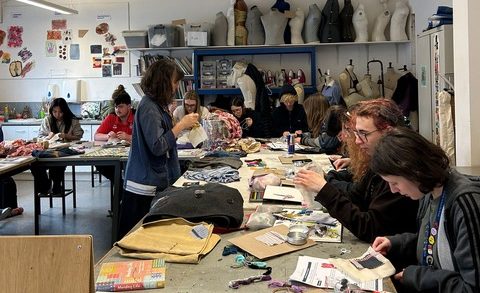
This is where community energy comes in. Last year A Single Thread received a £4k-grant through our Megawatt Community Energy Fund, which they are using to hold four workshops with college students aged between 16-18 in Bristol. BEC runs the fund with fellow community energy group Low Carbon Gordano, supporting climate-related projects in and around Bristol.
“We’re working with the Bristol textile quarter to run skills elements of the workshop, teaching students about fashion and the climate,” Amelia said. “We don’t want to overwhelm people with why and how damaging fashion is. We want to focus on practical things to do.”
The sessions aim to teach students how to patch something through basic sewing skills.
Three workshops have been held so far with good uptake, Amelia said. The fourth is taking place in the last week of March. They are reaching out to colleges and youth clubs in areas of the city which might not have so many opportunities for young people.
Just like a sewing project, organising the workshops is a learning process, Amelia adds. “We keep tweaking it so every workshop gets better.”
You can read more about our Megawatt Community Energy Fund here.
Applications for this year’s round open in April.